Best Thelonious Monk Albums Top Picks Revealed

- 1.
Why Are the Best Thelonious Monk Albums Still Revered Today?
- 2.
What Makes a Thelonious Monk Album Truly “Best”?
- 3.
Monk’s First Album: The Birth of a Jazz Legend
- 4.
The Most Iconic Composition in Monk’s Catalog
- 5.
Unpacking Monk’s Health Struggles and Creative Output
- 6.
Top 5 Best Thelonious Monk Albums (According to Real Jazz Nerds)
- 7.
How Monk’s Style Influenced the Jazz Landscape
- 8.
Myth vs. Reality: Debunking Monk Misconceptions
- 9.
Where to Start If You’re New to Monk
- 10.
Collecting Vinyl: Why Physical Copies of the Best Thelonious Monk Albums Matter
Table of Contents
best thelonious monk albums
Why Are the Best Thelonious Monk Albums Still Revered Today?
Ever tried to play a Monk tune on piano and ended up sounding like your cat walked across the keys? Yeah, we’ve all been there. But that’s exactly why the best Thelonious Monk albums aren’t just music—they’re sacred texts for jazz purists and curious newcomers alike. Thelonious Monk, the eccentric genius from Rocky Mount, North Carolina, didn’t just compose; he conjured harmonic puzzles wrapped in bebop swagger and existential rhythm. His approach to the piano was less “technique” and more “alchemy.” And those best Thelonious Monk albums? They’re time capsules of creative rebellion. Even today, they whisper to producers, composers, and late-night vinyl junkies: “Break the rules, but make it swing.”
What Makes a Thelonious Monk Album Truly “Best”?
Defining the best Thelonious Monk albums isn’t just about sales or chart positions—because, let’s be real, Monk never chased trends. It’s about emotional architecture, harmonic risk-taking, and that unmistakable clunky-yet-brilliant touch. The man played with intentional dissonance like it was confetti at a funeral—chaotic, yet oddly comforting. Critics might argue over rankings, but us jazz heads know: the best Thelonious Monk albums all share one thing—unapologetic originality. Whether it’s his jagged comping or those long silences that somehow say more than notes ever could, Monk’s work stands tall in a sea of “smooth jazz” mediocrity. We listen not just with ears, but with nerves.
Monk’s First Album: The Birth of a Jazz Legend
So, what was Thelonious Monk’s first album? Technically, it’s *Genius of Modern Music: Vol. 1*, released by Blue Note in 1951 (though compiled from sessions starting in 1947). And guess what? It’s absolutely in the running for best Thelonious Monk albums. This debut wasn’t just a statement—it was a declaration of war against vanilla harmony. Tracks like “Ruby, My Dear” and “Well, You Needn’t” introduced the world to Monk’s musical dialect: bent rhythms, angular melodies, and chords that sounded like they were built with LEGOs and prayer. Fun fact: Art Blakey was on drums. Yeah, *that* Art Blakey. The album might’ve been recorded on primitive gear, but its impact? Crystal clear even on a busted Bluetooth speaker in a Brooklyn bodega.
The Most Iconic Composition in Monk’s Catalog
If you’ve ever hummed a jazz tune without knowing its name, chances are it was “‘Round Midnight.” Yup—that’s Thelonious Monk’s most well-known composition and a cornerstone of the best Thelonious Monk albums. Written in the 1940s, it’s been covered more than your auntie’s sofa during Eid. Everyone from Miles Davis to Herbie Hancock has put their spin on it, but none capture the lonely, cigarette-burn melancholy of Monk’s original. The piece is basically the jazz version of staring out a rainy window while questioning your life choices—but make it poetic. It’s featured prominently on albums like *Monk’s Music* and *Thelonious Monk with John Coltrane*, both of which belong in any serious conversation about the best Thelonious Monk albums.
Unpacking Monk’s Health Struggles and Creative Output
What was Thelonious Monk’s illness? That’s a loaded question—and a sensitive one. In his later years, Monk suffered from what’s widely believed to be bipolar disorder (though some historians argue it could’ve been schizophrenia or even misdiagnosed neurological issues). His behavior grew increasingly erratic, and he eventually withdrew from public life entirely. Yet, despite—or maybe because of—his inner storms, his music never lost its spark. The best Thelonious Monk albums often emerged during periods of intense personal turbulence. There’s a haunting beauty in knowing that genius and pain sometimes share the same piano bench. We don’t romanticize mental illness, but we do honor the art it helped shape.
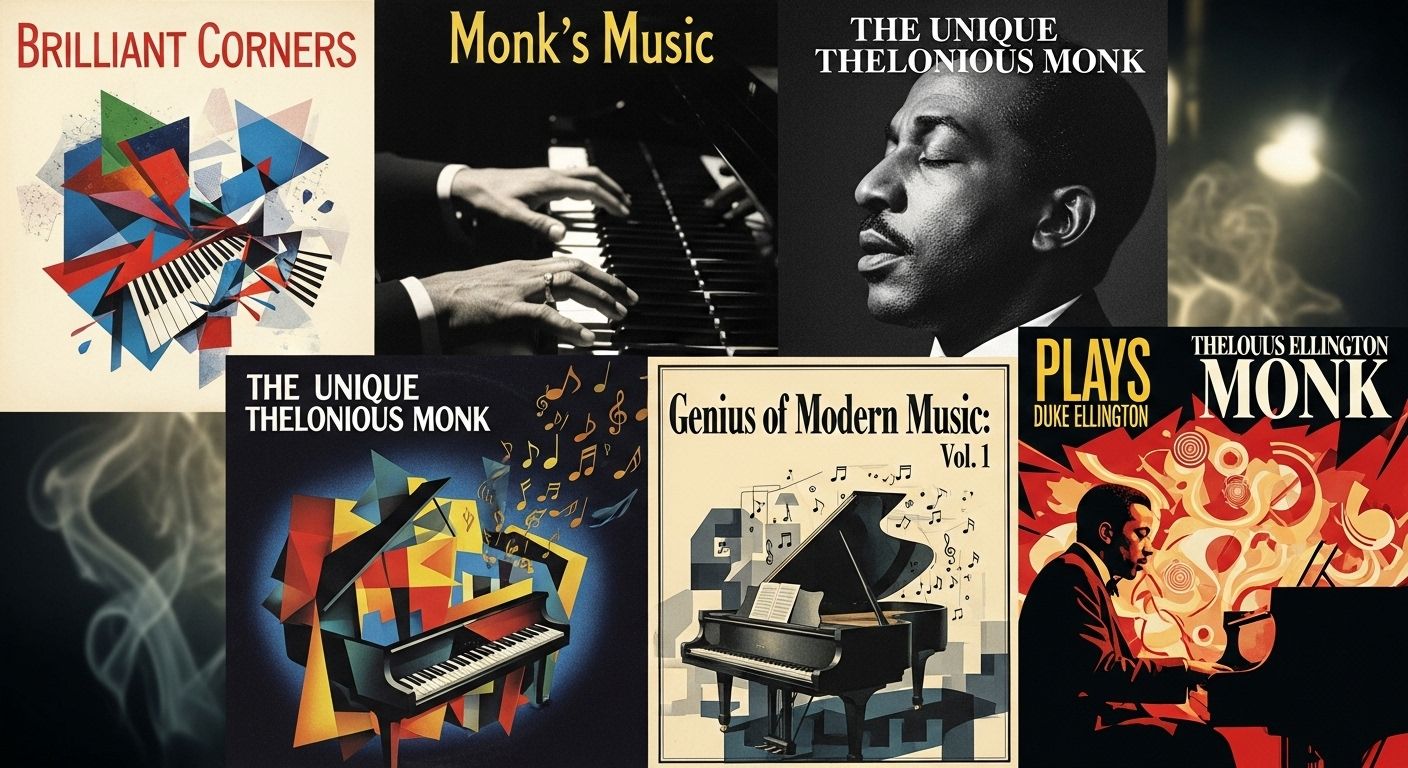
Top 5 Best Thelonious Monk Albums (According to Real Jazz Nerds)
We polled a mix of veteran critics, vinyl collectors from Detroit, and a saxophonist who once jammed with Monk’s nephew (true story). Here’s the consensus on the best Thelonious Monk albums that every jazz lover should own:
- Solo Monk (1965) – Raw, intimate, and full of ghostly echoes.
- Monk’s Dream (1963) – His bestselling album; accessible but still weird in the best way.
- Brilliant Corners (1957) – The title track took 25+ takes. Worth every second.
- Thelonious Monk with John Coltrane (1961) – Two titans in one room. Obvious masterpiece.
- Underground (1968) – That iconic album cover? Yeah. The music matches.
Each of these best Thelonious Monk albums reveals a different shade of his genius—from playful chaos to spiritual stillness. And no, streaming them on shuffle doesn’t count. You gotta sit. You gotta listen. Preferably with a whiskey in hand and zero notifications.
How Monk’s Style Influenced the Jazz Landscape
Monk didn’t just play piano—he reimagined what it could do. The best Thelonious Monk albums are sonic blueprints that inspired Herbie Hancock’s left-hand clusters, Brad Mehldau’s rhythmic phrasing, even Robert Glasper’s genre-blurring experiments. His use of space, silence, and dissonance became a language unto itself. Modern jazz without Monk is like pizza without cheese—technically possible, but why would you? And let’s not forget: he co-wrote standards like “Epistrophy” and “Straight, No Chaser,” both of which appear on essential recordings that form the backbone of the best Thelonious Monk albums canon.
Myth vs. Reality: Debunking Monk Misconceptions
Some folks think Monk was “just a weirdo who hit wrong notes.” Nah, bruh. Every “mistake” was deliberate. His playing sounded off-kilter because he was *composing in real time*. The best Thelonious Monk albums prove he had total command—he just chose to defy convention. Another myth? That he couldn’t play “straight” jazz. Watch footage of him backing Coleman Hawkins—you’ll see elegance beneath the eccentricity. The man was a paradox wrapped in a hat wrapped in mystery. And that’s why the best Thelonious Monk albums still challenge and delight decades later.
Where to Start If You’re New to Monk
If you’re dipping your toes into the world of the best Thelonious Monk albums for the first time, don’t start with *Brilliant Corners*—it’s like learning calculus before counting. Begin with *Monk’s Dream*. It’s melodic, groovy, and features Charlie Rouse’s smooth sax balancing Monk’s jagged piano. Then, graduate to *Solo Monk* for a one-on-one with the maestro. And hey—while you’re at it, check out our sister piece on Best Bill Evans Albums Essential List Now for a softer, introspective counterpoint. Both legends, different flavors. Think of it like choosing between dark roast and espresso—you can’t go wrong, but your mood decides.
Collecting Vinyl: Why Physical Copies of the Best Thelonious Monk Albums Matter
In a world of $9.99/month streaming, there’s something sacred about holding a 180g pressing of *Underground*—especially that iconic cover of Monk as a WWII resistance fighter (complete with beret and bazooka, no less). The best Thelonious Monk albums were meant to be *experienced*, not just heard. The crackle before the first note? That’s anticipation. The liner notes by Nat Hentoff? Poetry. Even the smell of aged cardboard says, “This ain’t background noise.” So don’t just add them to your playlist—hunt down originals or quality reissues. Your soul (and your turntable) will thank you. And if you're feeling lost, swing by our Music section for more deep dives, or head back to the Giovanni Di Domenico homepage for the full vibe.
Frequently Asked Questions
What is considered the best jazz album ever?
While opinions vary, many critics and historians point to Miles Davis’ Kind of Blue as the best jazz album ever—but for piano-led innovation, the best Thelonious Monk albums, especially Brilliant Corners and Monk with Coltrane, are right up there in legendary status.
What was Thelonious Monk's illness?
Thelonious Monk likely suffered from bipolar disorder, though some sources suggest possible schizophrenia or undiagnosed neurological conditions. His mental health struggles deeply influenced his later years, yet his best Thelonious Monk albums remain testaments to his unwavering creative spirit.
What is Thelonious Monk's most well known composition?
“‘Round Midnight” is Thelonious Monk’s most well-known composition and a jazz standard covered by countless artists. It’s a centerpiece of several best Thelonious Monk albums and remains a haunting, beautiful entry point into his musical universe.
What was Thelonious Monk's first album?
Thelonious Monk’s first album was Genius of Modern Music: Vol. 1, released by Blue Note in 1951. Compiled from 1947–1952 sessions, it’s widely regarded as one of the foundational recordings in the canon of the best Thelonious Monk albums.
References
- https://www.jazzdisco.org/thelonious-monk/discography/
- https://www.npr.org/2017/10/10/556490094/thelonious-monk-the-genius-of-modern-music
- https://www.allmusic.com/artist/thelonious-monk-mn0000953027/biography
- https://www.britannica.com/biography/Thelonious-Monk
- https://downbeat.com/archives/article/thelonious-monk-and-the-architecture-of-silence